Emergency Water Line Repair Near Me
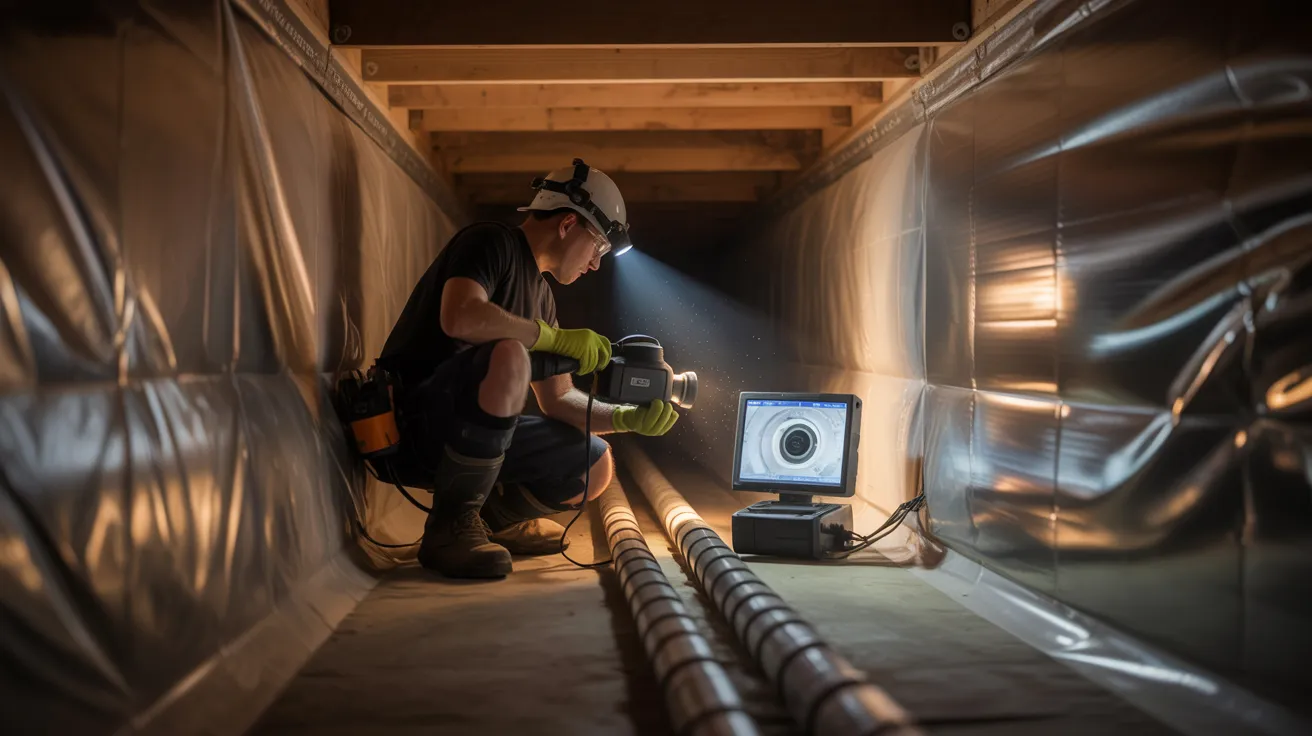
Looking for dependable Lawrenceville water line repair experts? We employ advanced techniques to detect flow problems, water leaks, and water contamination with flow mapping, precision detection methods, and pipe cameras. You'll receive standards-compliant fixes following AWWA/ASTM methods, NSF-61 supplies, proper bedding/compaction, thrust restraint, and certified disinfection. We handle documentation, 811 locates, PRVs/backflow compliance, and track pressures, tests, and warranties. Using either trenchless or open-cut techniques, we align materials to red clay soils and local pressure zones for long-lasting results. See how we safeguard your home and return service effectively.
Main Insights
- Certified Lawrenceville professionals who comply with Georgia, Gwinnett County, and City regulations, featuring required documentation, utility marking, and certified materials
- Rapid emergency assistance guaranteed through detailed scopes, line-item pricing, warranties, and visually documented change orders.
- Skilled in advanced diagnostics: acoustic leak detection, thermal imaging, video inspection, and pressure mapping to pinpoint issues accurately.
- Deliver both trenchless and open-cut repairs, including proper bedding, thrust restraint, pressure verification, and disinfection meeting AWWA standards.
- Guide homeowners on leak indicators and deliver documented test results, chlorine level readings, and restoration completion proof.
Warning Signs of Water Line Problems in Your Lawrenceville Home
Detect concerns at the onset to stop costly damage and code violations. Look out for decreased flow across various taps, persistent low pressure when valves are completely open, or sudden spikes on your water bill. Check for damp drywall, slab warmth, puddles forming in the yard, or meter changes with all fixtures off. Monitor leaky fixtures that remain after cartridge replacement, as they may suggest upstream supply complications. Listen for whistling at shutoffs, vibration in pipes, or continuous filling at the toilet.
Watch out for signs like discoloration, sputtering taps, or strange smells that signal intrusion or contamination. Inspect the service line entry point for corrosion, active drips, or mineral staining. Test valve operability and proper identification. When encountering these warning signs, secure the water line and arrange for professional inspection.
Common Causes of Water Line Issues and Pressure Problems
You'll discover drops in pressure and water leaks when pipes deteriorate due to age or corrosion, particularly with non-code-compliant materials. Ground movement and invasive tree roots can shear joints, crush lines, or cause offset fittings, leading to ruptures and contamination hazards. Excessive system pressure and freeze-thaw cycles weaken pipes and connection points, so you need to properly manage a pressure reducing valve and adequate insulation to ensure safety and code compliance.
Aging and Corroded Pipes
Even when installations conform to code at installation, deteriorating or rusted pipes turn into a leading factor of pipe failures and system pressure issues. There are issues with internal scaling, pitting corrosion, and metal fatigue that degrade pipe integrity and allow water seepage. Galvanized and copper piping can develop surface damage, while ferrous materials corrode, all increasing system failure probability and water cloudiness. When there are lead pipes or high-lead brass fittings, degradation can discharge lead particles into the water, raising safety and compliance issues.
Be sure to check pressure variations, color changes, and small leaks. Conduct ultrasonic thickness testing, corrosion coupon analysis, and water chemistry profiling. Switch out deteriorated parts with approved replacements, incorporate dielectric unions, control pH/alkalinity, and implement corrosion control according to regulatory standards.
Ground Shifts and Tree Root Effects
As ground conditions change from moisture-related cycles, construction activity, or temperature cycling, buried water pipes lack uniform foundation and develop joint strain and bends. You'll notice poor positioning and connection shifts that result in pressure reduction and leakage. Foundation settlement can damage inflexible pipes or loosen pipe joints, especially at service connections and junction points.
Tree roots penetrate small fissures and gaps, while root penetration intensifies when moisture is detected. As roots grow larger, they break apart fittings, impede water flow, and stress connection points. Prevent issues by ensuring adequate coverage, using compliant materials, adequate compression, and structural reinforcement. Take precautions by using barrier-type plants, protective barriers, and periodic inspections through correlation testing to spot concerns promptly.
Freezing Under Pressure
Distribution systems, while engineered for a predetermined maximum working pressure, sudden pressure increases from valve operations, pump cycling, or emergency flow requirements can go beyond specifications and generate pressure surges that fracture pipes, rupture gaskets, and weaken connections. You'll notice a high pressure surge propagate at valve speed, reflecting at dead ends and appurtenances, amplifying stress at joints, curves, and connections. To reduce this, implement ASSE-listed pressure control valves, vacuum breakers, and slow-acting valves per local code. Regularly check anchor blocks and thrust restraint.
Winter cold snaps trigger freeze expansion in stagnant or poorly insulated laterals. Water's expansion of 9% can damage pipes and fittings made of copper, CPVC, or PEX and deform flow meters. You can avoid these failures with code-compliant burial depth, proper insulation, thermal cable protection, and controlled water flow to reduce pressure buildup.
Our Detailed Water Line Diagnostic Procedure
We start with the obvious and narrow the problem methodically: our first step is checking pressure levels at accessible fixtures, then separate system sections to verify whether the problem is occurring in the service line, branch line, or individual fixtures. Our team will check measurements against building code requirements, record variations, and maintain backflow safety. Subsequently, we carry out pressure mapping from meter to terminal points, logging decreases that suggest obstruction or leaks. We employ acoustic correlation to locate subsurface anomalies and heat detection to show masked water damage or temperature differences around slabs and walls. We examine PRVs, shutoffs, and expansion controls, verifying orientation and function. Finally, we test material continuity, joints, and depth-of-cover where exposed, label utility locations, and provide a detailed, code-aligned assessment you can examine and approve safely.
Service Solutions We Trust for Lasting Results
Build it right, keep it safe, and make it last: we establish repair techniques considering material specifications, diameter measurements, depth factors, and code compliance, then execute with AWWA- and IPC-compliant procedures. You get comprehensive material documentation, NSF-61 certified parts, and connections secured to manufacturer torque requirements. We perform pressure validation to AWWA C600/C605 standards, complete strength validation on couplings and restraints, and perform sanitization per AWWA C651.
In treating galvanized or corroded steel, we isolate specific portions, fit dielectric unions and upsize components to minimize friction loss. In copper applications, we use professional brazing or lead-free press fitting solutions incorporating protective sleeve elements. In PVC/HDPE installations, we utilize heat-fusion or solvent-welding with calibrated beads and add thrust blocks at crucial bends. Our process includes adding tracer wire, implement pipe bedding to ASTM standards, backfill using compacted lifts, and confirm system operation through comprehensive flow, pressure, and leak testing before final signoff.
Comparing Trenchless and Traditional Water Line Repair Methods
Sort through the options by coordinating strategy to location limitations, pipe material, and code. If the service line is HDPE, PVC, or copper with confined access and firm soil, no-dig pipe restoration - cured-in-place lining or pipe bursting - provides minimal disruption, protects landscaping, and satisfies ASTM/ICC standards when set up to manufacturer specs. Confirm utility locates, backflow protection, and pressure ratings. For severe offsets, failed segments, undersized lines, or galvanized/lead pipe replacement, choose traditional open-cut. It facilitates full inspection, adequate base support, appropriate incline, thrust restraint, and code-compliant materials.
Evaluate ground depth, groundwater levels, and proximity to buildings. Verify required permits and required inspections. Pressure-test, disinfect following AWWA specifications, and restore surface material with thoroughly compacted backfill. Implement traffic safety measures, protective shoring, and personal protective equipment. You'll minimize risk factors, preserve service integrity, and comply with Lawrenceville requirements.
Understanding Our Pricing and Service Experience
Prior to starting, we'll provide you with a comprehensive scope, itemized cost breakdown, and a guaranteed price ceiling aligned with project requirements and site parameters. We establish client requirements up front: detailed quotes include everything from materials and labor to permits, utilities, traffic control, and site restoration. You'll sign off on any alternates-using trenchless or open-cut methods-before work begins.
Once on site, we check shutoffs, identify utilities per 811, and implement PPE and site controls. We carefully evaluate pipe dimensions, material, depth, and serviceability, prior to performing the planned repair. When we find varying concealed conditions, we stop work, provide photo documentation, and prepare a change order for your sign-off-ensuring no surprises.
You'll find daily progress notes, pressure and disinfection data when applicable, and a pristine site. Final billing aligns with the approved scope, with warranties detailed in writing.
Regular Inspections to Safeguard Your Plumbing
While your water line might appear adequate during normal use, scheduled assessments detect minor issues before they develop into major leaks, service interruptions, or structural damage. Throughout our scheduled inspection, we carefully examine pressure readings under static and dynamic conditions, assess backflow prevention systems, and record meter readings. We utilize advanced techniques including acoustic listening, thermal scanning, and video pipe inspection to detect tiny leaks, rust damage, root penetration, and displaced joints without disruptive excavation.
We also ensure code compliance: appropriate installation depth, certified materials, PE service tracer wire, and readily accessible shutoff valves. Regular seasonal upkeep is essential - winter freezing and thawing, high summer usage, and soil shifts can strain fittings and saddles. By providing thorough resident information, you'll know when to report changes in pressure, colored water, or damp ground. Maintenance is performed quickly following ASTM and IPC/UPC guidelines, protecting water purity and structural soundness.
Why Local Experience Matters for Lawrenceville Homes
You should work with a contractor who is familiar with Lawrenceville's soils and matches pipe materials to stop damage, movement, and system failure. Local pros align your project with Gwinnett County codes, permits, and inspection protocols to eliminate violations and rework. When a line breaks, they understand the local infrastructure, valve positions, and emergency numbers, so you get faster, read more safer emergency response.
Pipe and Soil Compatibility
Due to Lawrenceville's challenging soil conditions and varying moisture levels create varying stresses on buried utilities, pipe selection and installation must match local geotechnical conditions to remain code-compliant and durable. You need materials and methods tested against soil characteristics, water level variations, and expansion-contraction patterns. Technicians with local experience recommend ductile iron, HDPE, or PVC with appropriate SDR ratings, protective coatings, and secure connections to handle shifting loads.
They'll assess native soil composition, then develop foundation layers with properly graded angular stone to achieve consistent pipe support, protect pipe bells, and avoid point loading. Appropriate trench width, lift thickness, and density of compaction reduce movement and subsidence. Where aggressive clay exists, they'll implement protective wrapping, cathodic systems, or isolation joints. Precise backfill moisture control and sequential compaction maintain positioning and maximize durability.
Local Code Compliance
All governance tiers - from Lawrenceville municipal codes to regional and state-level plumbing standards - governs the sizing, routing, protection, and inspection of water services. You need a contractor who thoroughly understands both local amendments and base IPC requirements, knows proper spacing requirements from gas, sewer, and electrical, and chooses AWWA-compliant materials rated for local pressures. They'll map depth to frost and traffic loads, add necessary backflow preventers, and connect metal parts for continuous electrical grounding.
Local expertise accelerates permitting procedures by filing sealed site plans, utility locations, and tap approvals in the sequence required by inspectors. A tested inspection procedure includes trench protection, foundation and backfill, force resistance, service sizing, pressure and leak tests, valve positioning, curb-stop access, meter setting, and disinfection verification prior to site repair.
Rapid Emergency Response
An expert who knows Lawrenceville's pressure zones, valve systems, and utility protocols typically delivers the fastest fix. When water lines rupture, you require quick action, not trial and error. Local teams can efficiently pinpoint your meter, verify service line components, and identify leaks using their knowledge of district valves, minimizing service disruption and potential damage. Implementing strategic procedures, they sequence operations: properly control water flow, secure against electrical hazards, and stabilize flow according to UPC/IPC standards.
They efficiently handle 811 coordination, interpret municipal cutoff protocols, and obtain right-of-way access without delays. Teams come equipped with the correct CTS, copper, or HDPE fittings and approved backflow protection, preventing noncompliant repairs. They record pressures, chlorine residuals, and bacteriological standards, execute controlled repressurization, and quickly restore service while ensuring safety or code.
FAQ
Do You Handle Immediate Same-Day Water Line Fixing in Lawrenceville?
Yes, you can same-day emergency water line repair in Lawrenceville. We offer 24/7 support, immediate assessment, and regulation-compliant remediation. Our team locates the leak, shut off utilities, and carry out pressure evaluation, line tracking, and camera inspection to identify failures. Technicians implement trenchless or open-cut repairs following regulations, utilize approved fittings, and reinstate service with documented pressure and bacteria tests. You'll get clear pricing, safety controls, and follow-up monitoring to avoid recurrence.
Are All Your Technicians Licensed, Insured, and Screened?
Indeed - every technician you meet is fully licensed, insured, and rigorously background-checked. Want to know how we ensure reliability? We validate licensing requirements, ensure proper insurance protection, and complete thorough background screening before authorizing service calls. You can expect fully compliant workmanship, safety-first procedures, and verification of qualifications when needed. We also insist on continuous education, strict code compliance, and comprehensive safety measures. You'll experience clean ID, clear estimates, and professional conduct from beginning to end.
What Parts and Labor Warranties or Guarantees Are Available
We provide you with a comprehensive warranty package: components are backed by appropriate Manufacturer warranties, and labor is covered with explicit Labor guarantees. Manufacturer warranties generally span 1-5 years based on manufacturer specifications; registration is completed when required. Labor is guaranteed for 12 months, compliant with IPC/UPC code and local amendments. We thoroughly document pressure tests, depth/bedding, and backfill in accordance with safety standards. Coverage does not apply to misuse, third‑party damage, and freeze events. You'll get complete details about claim procedures, response timelines, and transferability terms.
Can You Handle Permitting With the City of Lawrenceville?
Indeed, you can coordinate permitting with the City of Lawrenceville. You start permit assistance by providing a comprehensive scope, site plan, and utility locates. You oversee city coordination by scheduling inspections, adhering to Gwinnett County/Lawrenceville codes, and securing right-of-way approvals when trenching streets. You need to check backflow, depth-of-cover, and material requirements (e.g., Type K copper/CTS PE). You must follow traffic control per MUTCD, document as-builts, and complete the permitting process only after final inspection approval.
Do You Offer Financing or Payment Plans for Major Repairs?
We extend flexible payment plans and deferred financing options for larger repairs. You can select payment arrangements that meet building code requirements, product specifications, and safety requirements. We thoroughly verify cost projections, necessary permits, and inspection schedules, then arrange financing to your budget. Available options include competitive interest rates, zero-interest timeframes, and staged payments tied to completion stages. The application process is quick, obtain swift responses, and finalize agreements digitally. We won't compromise on workmanship, safety measures, or warranty terms to fit payment plans.
Final Thoughts
It's no surprise you're experiencing low water pressure just as your neighbor's yard has started sinking. You're both using an aging service line. We deliver code-compliant assessment, pressure testing, and leak location services that prioritize structural integrity and soil protection. We'll carefully identify isolation valves, check backflow systems, and select appropriate restoration techniques according to area requirements. You can expect clear pricing, handled permits, and thorough cleanup. Reach out immediately before a small problem transforms into a serious cross-connection or ground stability issue.